
Part of Arnold Dreyblatt’s Berlin-Karussell · Akademie der Künste
Discussique:
Listening to the Days
الاستماع إلى الأيام · Kusikiliza Siku · రోజుల శ్రవణం
Günleri Dinlemek · Слухаючи дні · Den Tagen zuhören
As part of Arnold Dreyblatt’s Berlin-Karussell at the Akademie der Künste, Berlin School of Sound and Sonic Borderlines present Discussique: Listening to the Days — a week-long vocal laboratory that approaches the weekday and the seven-day cycle both as metaphor and as structuring principle for musical work across cultures, languages, and historical contexts.
Seven professional singers from different disciplines teach one another in a format open to the public every day from 19 to 25 May, 14:00 to 17:30. Once or twice each day, one singer gives a 30-minute class for the other six — open to all. Come hear them teach and sing together.
Schedule
Each 30-minute session is free and open to the public. The full laboratory runs daily 14:00–17:30. Venue: Akademie der Künste, Berlin (DE/EN).
| Day | Time | Singer & Tradition |
|---|---|---|
|
Tue 19.5.
|
14:00–14:30
|
Geetha Sridharan
South Indian — Carnatic
|
|
Tue 19.5.
|
17:00–17:30
|
Vizma Zvaigzne
Classical art song
|
|
Wed 20.5.
|
15:00–15:30
|
Çağlasu Aslan
Türkü — Turkish folk song & Bağlama
|
|
Thu 21.5.
|
14:00–14:30
|
Elisabetta Lanfredini
Experimental / Improvisation
|
|
Thu 21.5.
|
17:00–17:30
|
Amir Mardaneh
Persian classical — Dastgāh
|
|
Fri 22.5.
|
15:00–15:30
|
Maria Ustenko
Ukrainian folk & polyphonic singing
|
|
Sat 23.5.
|
15:00–15:30
|
Moussa Coulibaly
Griot tradition — Burkina Faso
|
The Seven Singers
Seven voices, seven traditions — teaching and learning from one another across the boundaries of musical culture.
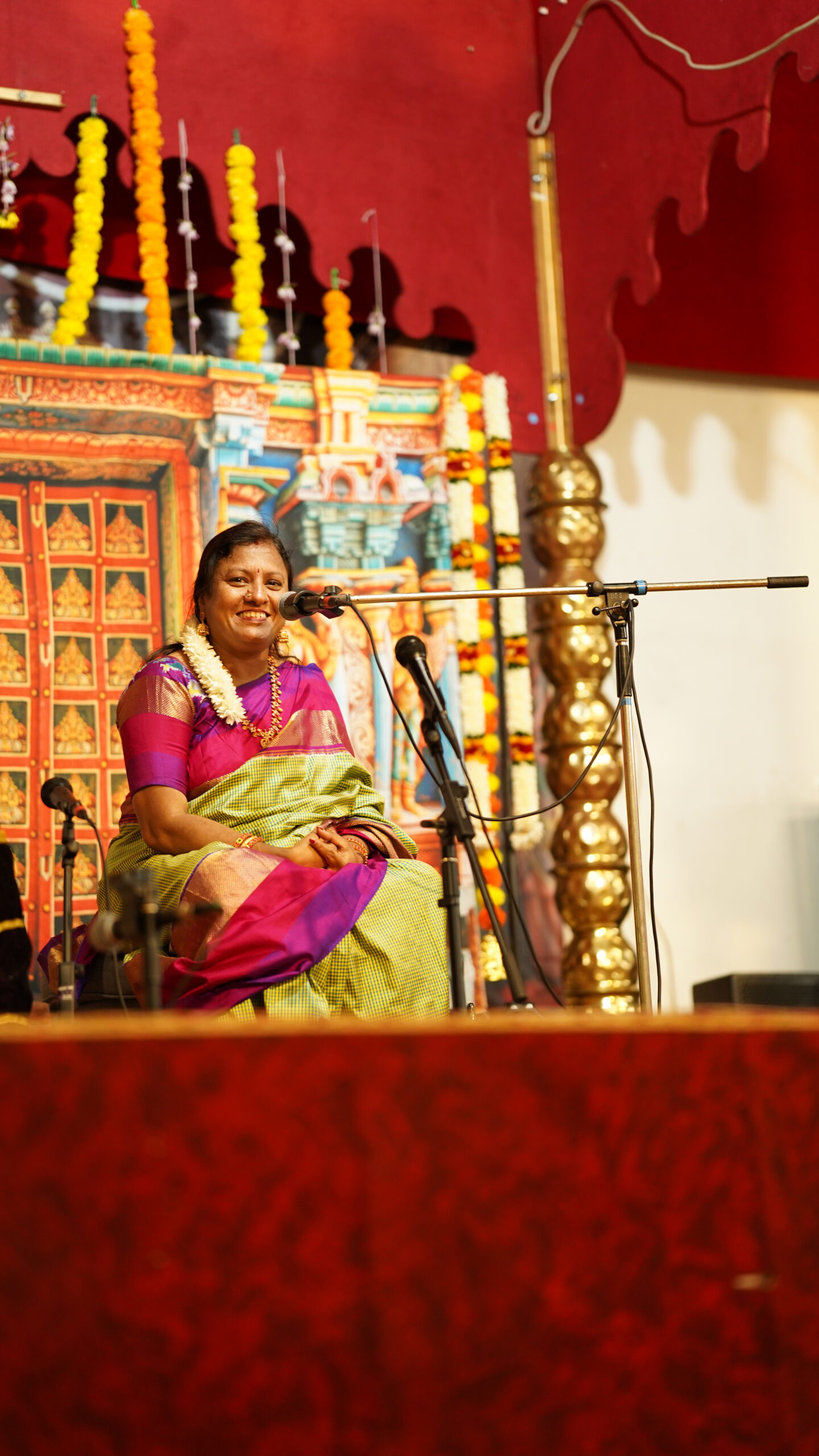
Geetha Sridharan
South Indian · Carnatic
Tue 19.5. · 14:00–14:30
An accomplished Carnatic vocalist with over three decades of dedication to this classical art form. She began at eight years old in Salem, Tamil Nadu, received advanced training under Sri Mysore C.N. Thyagaraju in Singapore, and continues higher learning under Sri Sankarraman, a disciple of Sri Maharajapuram Ramachandran. She has performed across India, Singapore, Germany, and Italy, and since 2015 nurtures a student community in Germany — from five-year-olds to devoted adult learners.
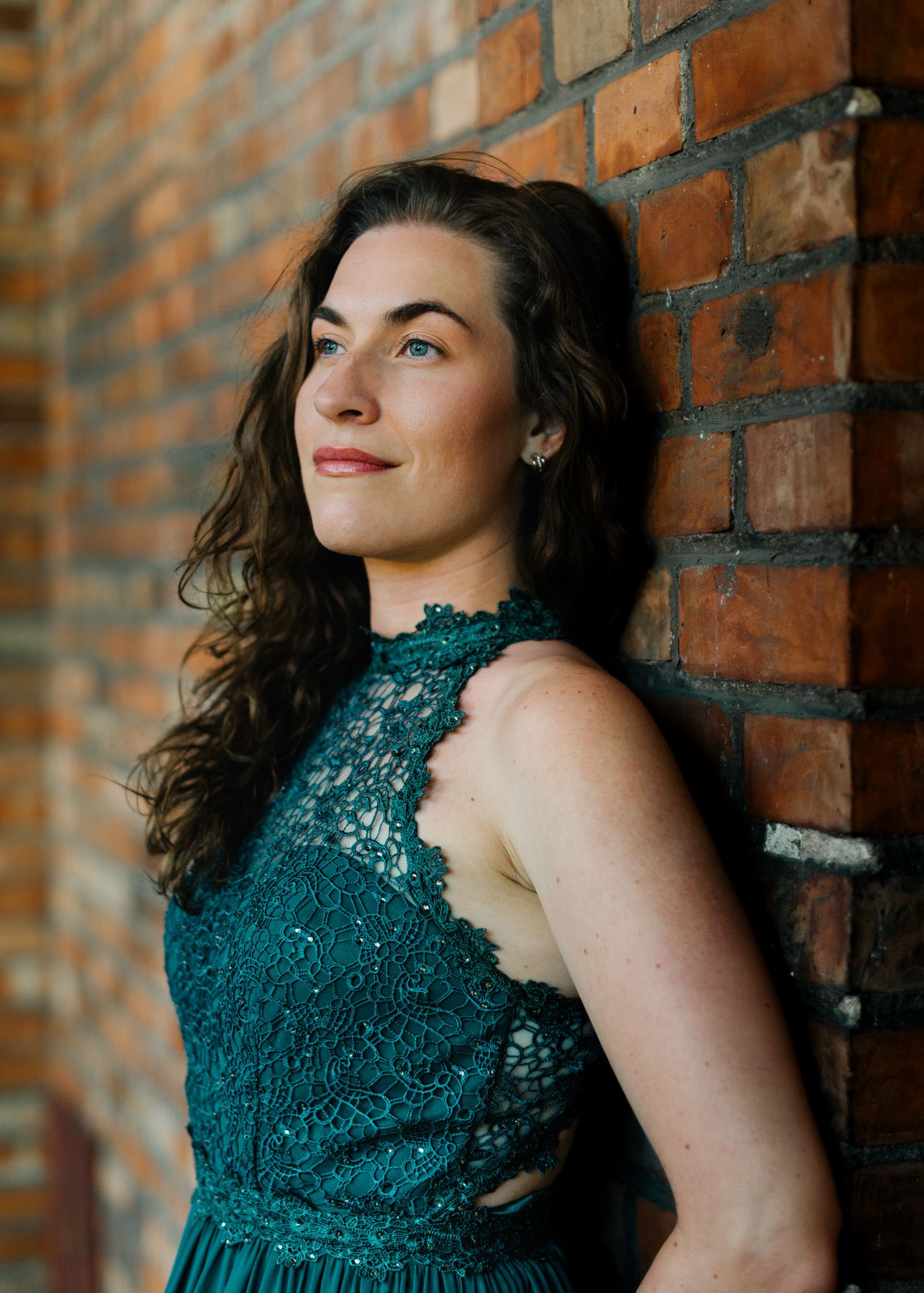
Vizma Zvaigzne
Latvia · Classical Art Song
Tue 19.5. · 17:00–17:30
Latvian mezzo-soprano, versatile musician active across a wide range of genres with a particular interest in interdisciplinary projects. Studied at Hochschule für Musik Hanns Eisler Berlin and Conservatorium van Amsterdam. Performs opera, oratorios, recitals, and creates soundscapes for art installations. A sought-after interpreter of contemporary music, Richard Wagner Scholarship holder, and supported by Yehudi Menuhin Live Music Now.
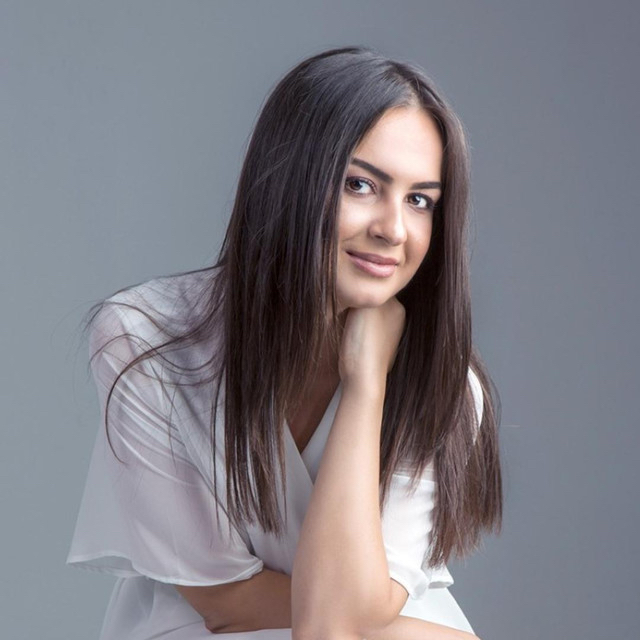
Çağlasu Aslan
Turkey · Türkü Folk Song · Bağlama
Wed 20.5. · 15:00–15:30
Born 1998 in Istanbul, Çağlasu Aslan is a singer and Bağlama player studying Schulmusik at the Universität der Künste Berlin with Bağlama as her principal instrument. Alongside classical vocal training, her artistic focus is oriental singing. She performs in theater productions, with a women’s band, and as a soloist, while also teaching instrumental and vocal music.

Elisabetta Lanfredini
Italy · Experimental / Improvisation
Thu 21.5. · 14:00–14:30
Italian singer, performer, researcher, composer, and sound artist based in Berlin. Studied Ethnomusicology and Jazz Singing/Improvisation at the Conservatory of Bologna. Her practice explores vocal traditions across cultural contexts — from Mediterranean and Turkish music to Indian Mantra/Nāda Yoga — informed by travels in Southeast Asia and Japan. Over 20 years of experience in voice education. Presented at CTM Festival, Transmediale, Deutschlandfunk Kultur, DAAD Artists-in-Berlin Program.
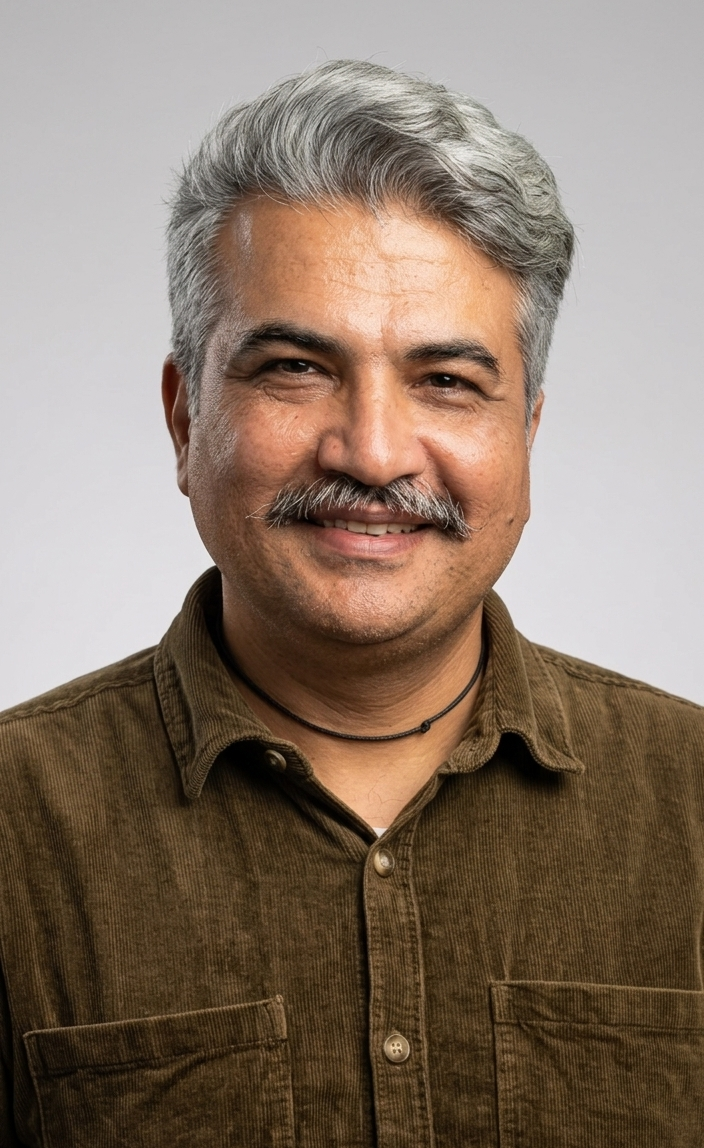
Amir Mardaneh
Iran · Persian Classical · Dastgāh
Thu 21.5. · 17:00–17:30
Iranian classical music vocalist with over 25 years of experience in performance, recording, music education, and cultural production. Specializes in Persian classical (Dastgāh) vocal traditions. Based in Berlin, Artistic Director of Parsiban Productions, Founder of the Naghmeh Sazavaz Music Institute. Trained under Mohammadreza Shajarian. Producer and publisher of 30+ music albums in collaboration with leading Iranian musicians including Kayhan Kalhor.
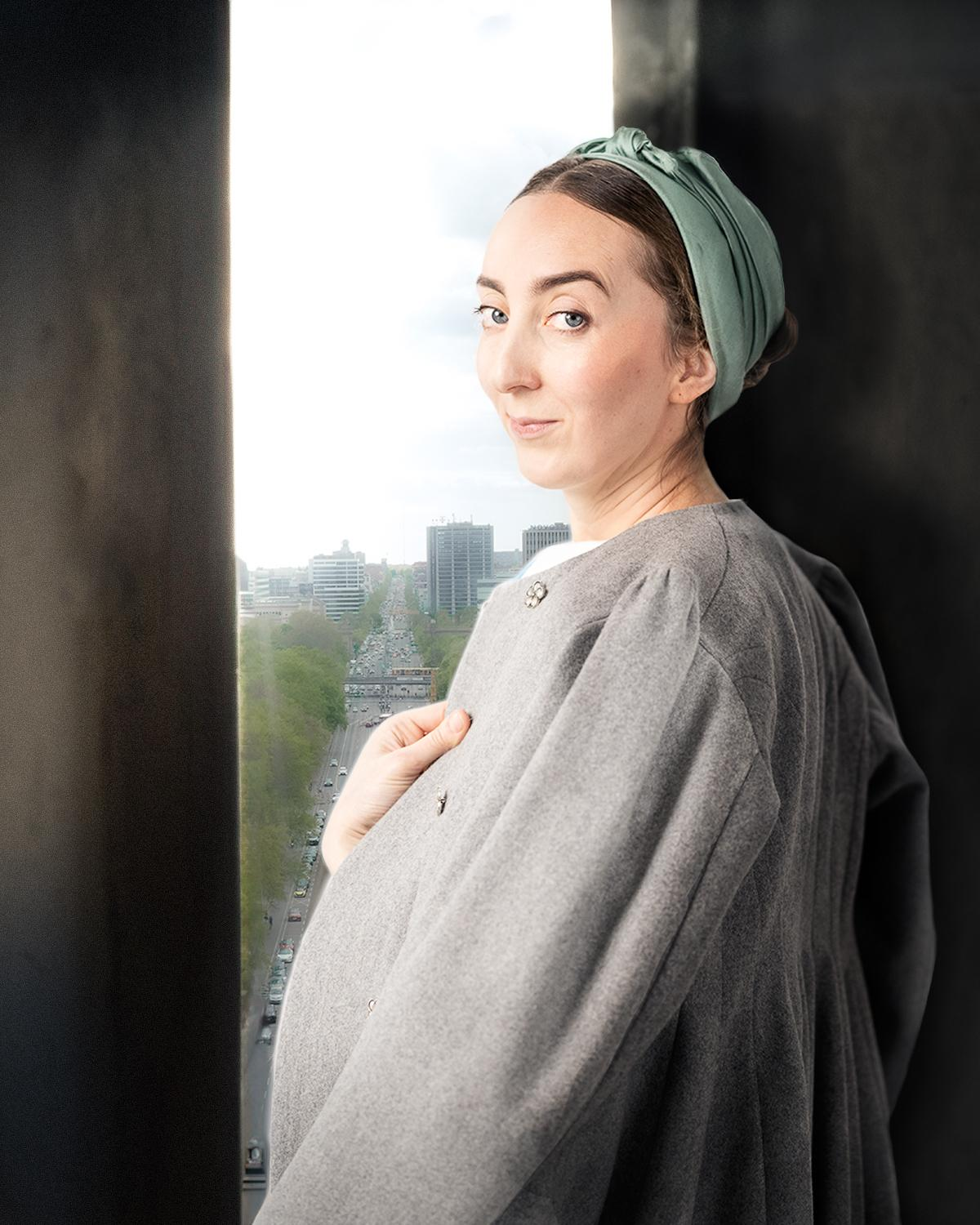
Maria Ustenko
Ukraine · Folk · Polyphonic Singing
Fri 22.5. · 15:00–15:30
Berlin-based Ukrainian singer, educator, and cultural facilitator focused on preserving and sharing Ukrainian vocal traditions. Completed five summer schools of traditional music in Ukraine. Sang with Singfrauen Berlin 2020–2024. Organizes workshops in Ukrainian traditional singing and folk dance in Berlin. Performer in the folk-rock band Otakoi. Studied Philology at Oles Honchar National University of Dnipro; speaks Ukrainian, German, and English.
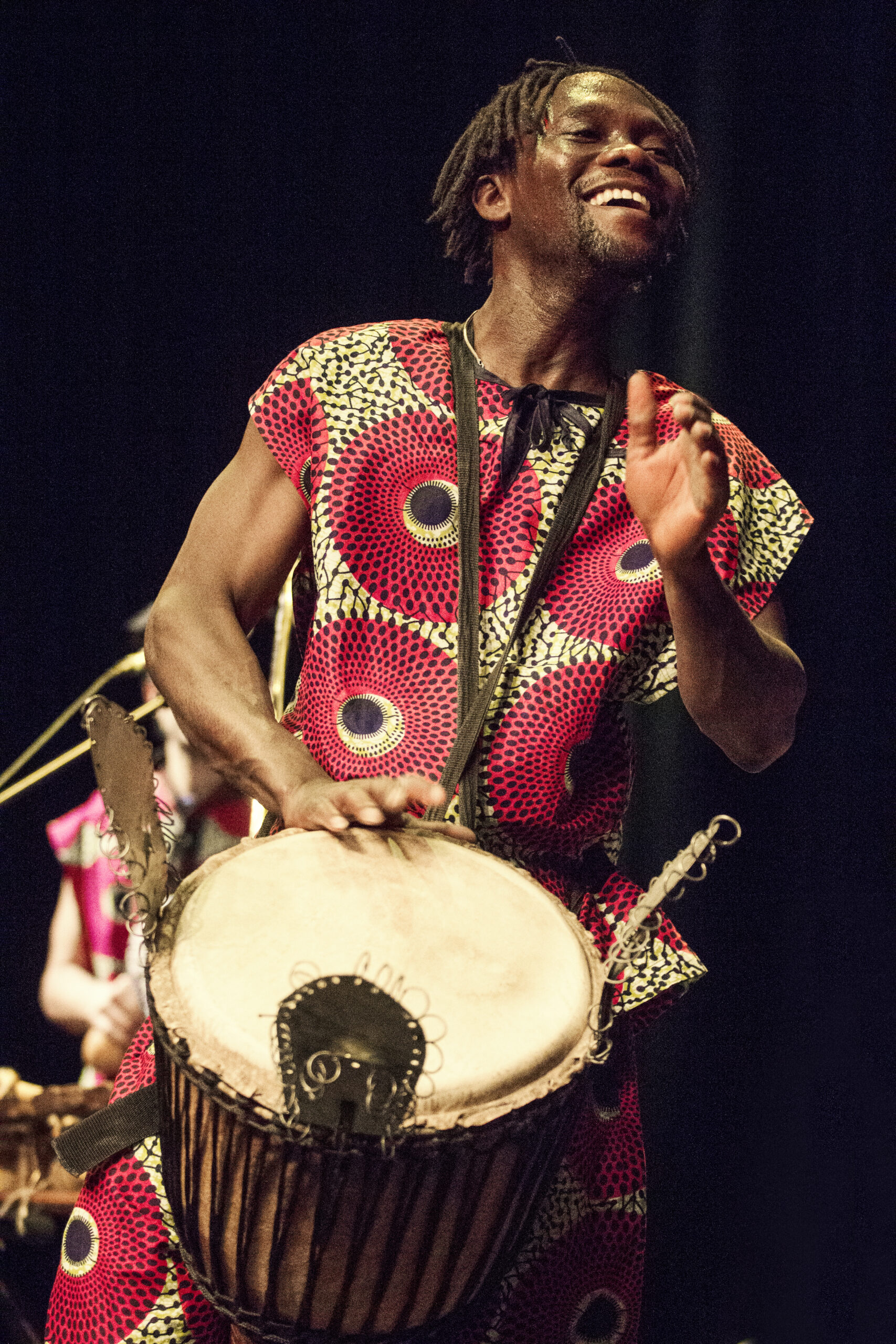
Moussa Coulibaly
Burkina Faso · Griot Tradition
Sat 23.5. · 15:00–15:30
From a large Griot family from Burkina Faso and Mali, Moussa Coulibaly plays all traditional instruments — Balafon, Ngoni, Djembe, Doundoun, and Talking Drum — with masterful expression. Musical training began at age six. Performed with renowned groups in Burkina Faso and on European tours. Living in Berlin since 2012. Composes original pieces, plays traditional West African rhythms and improvisations, and teaches all traditional West African instruments.
How It Works
“Naming these feelings is not just background information — it passes on technical knowledge through a metaphorical, embodied form of listening.”
The week is organized as a structured exchange in which the singers teach one another short “weekday pieces” — songs that name a particular day, move through several days, or simply deal with time in an everyday sense. The central structural principle is the permutation of partners: the singers are repeatedly arranged into new learning duos and trios.
This controlled reshuffling creates encounters with material in which the participants are not experts — situations in which mistakes, approximation, and humor can become productive. Instead of a traditional presentation format, the events take place in different spaces of the Akademie der Künste in an informal, installation-like setting. The audience is invited to listen in on the listening process.
For more on cross-listening and the “smallest units of sound”: sonicborderlines.org/methods
Artistic Direction
Jeremy Woodruff
Composer & Researcher · Sonic Borderlines
Jeremy Woodruff is a composer and researcher who has written on topics ranging from protest and urban gardens to transcultural music theory. He is currently Deputy Head of the Centre for Artistic Research (CEAR) at the University of Music and Performing Arts Graz, and a visiting professor at Bard College Berlin. Previously taught composition and music theory at Istanbul Technical University’s Centre for Advanced Studies in Music (MIAM) and at KM Music Conservatory in Chennai, India. A founding member of Errant Sound in Berlin, most recently co-curator of the Dystopia Sound Art Biennial and director of the Sonic Borderlines Listening Series 2024 (with a new edition in 2026) in Berlin.