
How Artificial Intelligence Is Changing Audio Engineering Education

Should AI Be Making Your Mixing Decisions?
Artificial intelligence (AI) is rapidly transforming music production and audio engineering. Tools based on machine learning are now used for composition, sound design, mixing, and mastering. Among these applications, AI tools for mixing have sparked particularly intense discussion—especially in educational contexts.
For aspiring audio engineers, producers, and technically curious musicians, an important question arises:
Do AI mixing tools support learning and creative decision-making, or do they risk replacing essential engineering skills?
This article examines different approaches to AI-based mixing tools, explains their technical foundations, and evaluates their strengths and limitations. A special focus is placed on why transparent, assistive AI plugins are generally more suitable for education than opaque, one-knob systems.
1. What Are AI Tools for Mixing?
In audio engineering, AI mixing tools are software plugins that use machine learning algorithms to analyze audio signals and propose or apply processing decisions. These decisions may include:
- Equalization (EQ): shaping the frequency balance
- Compression: controlling dynamic range
- Level balancing between tracks
- Stereo placement and spatial effects
Unlike traditional plugins, AI-based tools are trained on large datasets of professionally mixed music. By identifying patterns in these mixes, the system learns what is statistically common or “typical” for certain instruments, genres, or roles within a mix.
It is important to note that AI does not “hear” music emotionally. It processes numerical representations of sound and makes probabilistic decisions based on learned data.
2. Traditional Mixing and Its Theoretical Foundations
Before evaluating AI tools, we must understand what they are augmenting.
Signal Processing
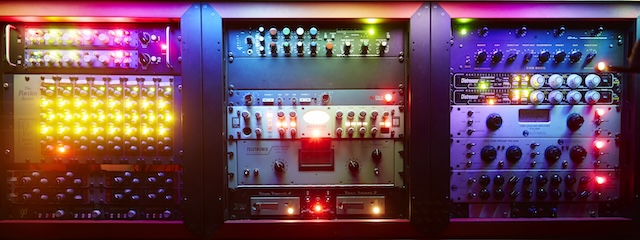
Signal processing refers to the mathematical manipulation of audio signals. Core mixing tools—EQs, compressors, limiters—are all signal processors. For example:
- An EQ modifies amplitude across frequency bands.
- A compressor reduces dynamic range by attenuating signals above a threshold.
Psychoacoustics
Psychoacoustics is the study of how humans perceive sound. Mixing decisions are strongly influenced by perceptual factors such as:
- Frequency sensitivity of the human ear
- Loudness perception
- Spatial hearing and localization
Traditional mixing relies on the engineer’s ability to connect technical tools with perceptual outcomes.
3. AI-Assisted Mixing: Two Fundamental Approaches
AI mixing tools generally fall into two categories:
- Transparent, assistive AI tools
- Opaque, one-knob or fully automated systems
This distinction is crucial for both learning outcomes and professional practice.

4. Transparent AI Mixing Tools: Assisted Learning and Control
Definition
Transparent AI plugins analyze audio material and provide clearly visible mix suggestions. The user can inspect, adjust, and override all parameters.
Typical characteristics include:
- Displayed EQ curves
- Visible compression thresholds and ratios
- Adjustable gain, attack, and release times
The AI acts as a decision-support system rather than an autonomous mixer.
Educational and Practical Advantages
1. Strong Learning Value
For audio engineering students, transparency enables direct links between theory and practice. When an AI suggests reducing low-mid frequencies on a piano track, students can relate this to frequency masking, where overlapping frequencies reduce clarity.
2. Preservation of Creative Intent
Transparent tools allow engineers to modify or reject suggestions. This is essential when working with stylistic goals that deviate from mainstream reference mixes.
3. Development of Critical Listening
By comparing AI proposals with personal listening impressions, students train their auditory judgment—an essential skill in professional audio engineering.
Practical Exercise for Students
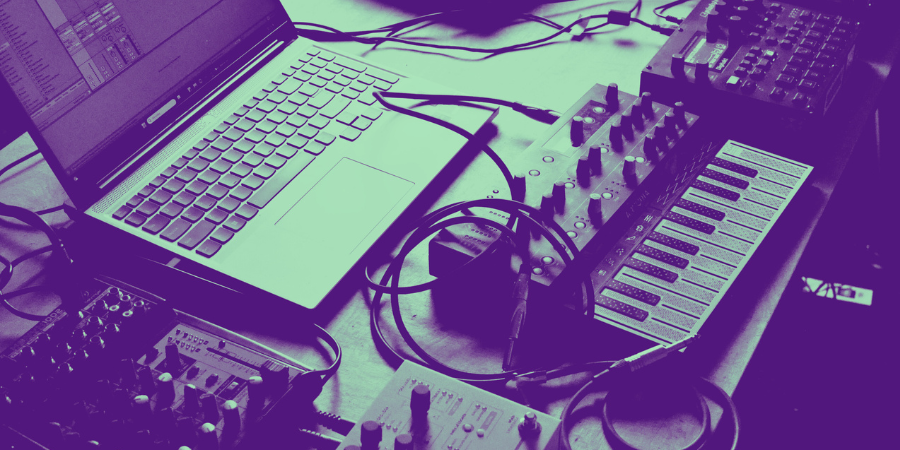
In a home studio or classroom setting:
- Insert a transparent AI mixing plugin on a vocal track.
- Observe the suggested EQ and compression settings.
- Disable the plugin and recreate the processing manually.
This reinforces both listening skills and technical understanding.
5. Opaque AI Mixing Tools: One-Knob Convenience
Definition
Opaque AI tools hide internal processing from the user. They often feature:
- A single control knob (e.g. “Amount” or “Style”)
- Fully automatic signal chains
These plugins function as black boxes: the user hears the result but cannot see or modify the process.
Advantages
- Fast results for rough mixes or demos
- Accessible for users without technical background
- Minimal setup time
Limitations for Education and Professional Work
1. Reduced Understanding
Without insight into processing decisions, students cannot connect results to signal processing principles.
2. Limited Problem-Solving
If a mix sounds incorrect, the lack of parameter access makes troubleshooting difficult.
3. Aesthetic Standardization
One-knob systems tend to produce similar sonic results, which may reduce artistic individuality.
6. Why Transparency Matters in Audio Engineering Education
In structured audio engineering programs, the goal is not only a good-sounding mix, but repeatable understanding.
Transparent AI tools:
- Support analytical thinking
- Encourage experimentation
- Allow conscious rule-breaking
Opaque systems, by contrast, prioritize outcome over process—problematic in learning environments.
7. AI, Psychoacoustics, and Human Judgment
AI systems are typically trained on mixes that follow established psychoacoustic norms. However, human engineers consider:
- Musical context
- Emotional intention
- Cultural and genre-specific aesthetics
Transparent AI tools allow these human factors to remain central, while opaque systems often enforce implicit norms.
8. Practical Advice for Aspiring Audio Engineers
Students interested in AI mixing tools should:
- Use AI suggestions as starting points, not final decisions
- Prefer plugins that visualize processing
- Regularly bypass AI processing for comparison
- Maintain manual mixing practice alongside AI-assisted workflows
This balanced approach ensures both efficiency and long-term skill development.
Conclusion: Three Key Takeaways
AI tools are now firmly embedded in modern music production, but their design philosophy matters—especially in education.
Key takeaways:
- Transparent AI mixing tools enhance learning by making signal processing decisions visible and adjustable.
- One-knob AI systems favor speed over understanding, limiting educational depth.
- Effective audio engineering combines human judgment with AI assistance, not full automation.
For students and future professionals, understanding why a mix works remains more valuable than achieving quick results.
Learn Professional Mixing at Berlin School of Sound
Want to master both traditional mixing and modern AI-assisted workflows?
Our Studio Engineering: Recording & Mixing Course offers hands-on training with:
- Professional studio equipment (€10,000+ worth)
- Expert instruction from Henning Grambow
- Both manual and AI-assisted mixing techniques
- Small groups (maximum 5 students)
- 32 hours of intensive practice
Additionally, students learn to use transparent AI mixing tools as educational aids while developing fundamental engineering skills.
Interested in sound design and production? Check out our Make Some Waves semester program for comprehensive audio education.